
The DeWalt DW715 vs DeWalt DWS715 are two professional-grade 12-inch compound miter saws that share a common design philosophy but differ in refinement and modern upgrades. The DW715 has been a trusted workhorse for years, known for its durability and cutting power, while the DWS715 is its updated counterpart with enhancements that improve accuracy, versatility, and long-term performance.
In this comprehensive comparison, we analyze every feature that separates the two models, from motor power and cutting capacity to precision systems and usability.

Contents
Differences Between DeWalt DW715 vs DeWalt DWS715
Below is a summary of the specifications:

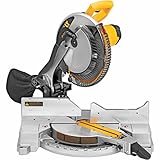
Motor Power and Cutting Performance
The DeWalt DW715 is powered by a 15-amp motor spinning at 4,000 RPM, providing consistent cutting performance across softwoods, hardwoods, and trim materials. This strong motor ensures smooth crosscuts and miters, making it a dependable saw for general carpentry and finish work.
The DeWalt DWS715 retains the same 15-amp, 4,000 RPM motor, but its updated internal components and improved guard design enhance efficiency and reliability. While both saws cut with similar power, the DWS715 benefits from subtle refinements that reduce vibration and maintain smoother operation under heavy load.
Winner: Tie – Both models deliver identical cutting power, though the DWS715 has minor refinements that slightly improve smoothness.
Cutting Capacity and Versatility
The DW715 offers a 2 x 8 crosscut capacity at 90°, as well as 2 x 6 at 45°. It supports baseboards up to 6.5 inches vertically and crown molding up to 5.25 inches nested. While sufficient for most trim projects, it has a slightly more limited crown molding range compared to newer models.
The DWS715 expands on this with the same 2 x 8 crosscut capacity at 90° but increases its crown molding capacity to 6.5 inches nested. This enhancement makes it more versatile for complex trim projects where larger moldings are required.
Winner: DeWalt DWS715 – Larger crown molding capacity increases versatility in trim carpentry.

Miter and Bevel Adjustments
The DW715 offers a miter range of 50° left and right, with 11 positive stops for commonly used angles. It features a single-bevel design, tilting 48° to the left, which means the workpiece must be flipped when beveling in the opposite direction.
The DWS715 matches the 50° miter range left and right but improves significantly with 14 positive stops, offering more flexibility and quicker setups for precise angles. Like the DW715, it is a single-bevel saw tilting 48° to the left, but the additional detents make it easier to use in repetitive tasks.
Winner: DeWalt DWS715 – More detent stops allow for improved accuracy and faster adjustments.
Precision and Accuracy
The DW715 uses a standard detent plate that provides solid accuracy and durability. Its tall sliding fence supports larger workpieces, helping achieve consistent cuts.
The DWS715, however, features a stainless-steel detent plate with 14 positive stops, delivering enhanced durability and maintaining precision over extended use. This stainless-steel upgrade resists wear better than the standard system, keeping cuts accurate for years.
Winner: DeWalt DWS715 – Enhanced detent plate ensures long-term precision and reliability.
Build Quality and Portability
The DW715 weighs 42 lbs, making it portable enough for jobsite use while still providing stability during cuts. Its rugged DeWalt build quality ensures it holds up under demanding conditions.
The DWS715 weighs the same 42 lbs, but its slightly larger frame offers a sturdier feel. It balances portability with durability, maintaining DeWalt’s reputation for rugged construction.
Winner: Tie – Both models are lightweight yet sturdy, equally suited for jobsite and workshop use.

Dust Collection Efficiency
The DW715 is equipped with a rear dust collection port compatible with a dust bag or vacuum. While functional, its performance is average, capturing only part of the sawdust produced.
The DWS715 features the same rear dust port system, but improvements in its blade guard design slightly improve airflow and dust collection. Although not perfect, it performs marginally better in managing debris.
Winner: DeWalt DWS715 – Slightly better dust collection efficiency compared to the DW715.
Ease of Use and Adjustability
The DW715 is simple and reliable, with intuitive controls and a durable cam-lock miter handle for quick adjustments. Its single-bevel design is easy to operate, making it a solid choice for beginners and professionals alike.
The DWS715 builds on this simplicity with more detent stops, a stainless-steel plate, and smoother adjustment mechanics, making it easier to fine-tune angles and handle repetitive cuts. These refinements reduce setup time and improve workflow efficiency.
Winner: DeWalt DWS715 – Refinements make it more user-friendly and precise without sacrificing simplicity.
Quick Rundown Of DeWalt DW715

Quick Rundown Of DeWalt DWS715

Conclusion
The DeWalt DW715 and DeWalt DWS715 are both excellent 12-inch single-bevel compound miter saws, but the DWS715 represents a refined, updated version with more precision and versatility. The DW715 remains a solid option, especially for those seeking affordability and a proven design, but its limitations in crown molding capacity and fewer detents make it less convenient for long-term use.
The DWS715 improves on its predecessor with more miter detent stops, a stainless-steel detent plate, greater crown molding capacity, and slightly better dust collection. These refinements make it the more professional and future-proof choice for contractors and woodworkers who demand accuracy and efficiency.
Overall Winner: DeWalt DWS715 – With its improved precision, durability, and expanded cutting capacity, the DWS715 outperforms the DW715 as the best investment for professionals and serious hobbyists.