
Portable power stations are becoming essential for camping, road trips, and emergency preparedness. Two of the most talked-about models in the compact category are the Bluetti EB3A vs EcoFlow River 2. Both deliver reliable energy in small packages, but they differ in capacity, charging technology, portability, and extra features. This in-depth analysis compares them across all critical aspects to determine which is the smarter investment.

Contents
Differences Between Bluetti EB3A vs EcoFlow River 2
Below is a summary of the specifications:
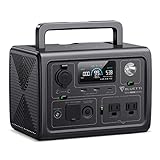

Battery Capacity and Expandability
The Bluetti EB3A carries a 268 Wh LiFePO₄ battery, while the EcoFlow River 2 holds 256 Wh. The difference is minor, but the EB3A edges ahead slightly in total energy storage. Both units use LiFePO₄ chemistry, known for safety, thermal stability, and a long lifecycle. The EB3A is rated for 2,500+ cycles, while the River 2 promises 3,000+ cycles, meaning it can last longer with frequent use.
Neither model supports expansion batteries, so users must rely on their base capacities.
Winner: Bluetti EB3A, for its slightly larger battery capacity.

Power Output and Device Compatibility
The EB3A is a powerhouse for its size, offering 600 W continuous output with 1,200 W surge, which is double that of the River 2. This makes it capable of running more demanding devices like blenders, mini-fridges, or small power tools. It also includes a 100 W USB-C port, perfect for laptops, and even a wireless charging pad for phones and accessories.
The EcoFlow River 2 delivers 300 W continuous with 600 W surge, suitable for laptops, phones, lights, and smaller electronics but limited when it comes to higher-powered devices. Its USB-C port is capped at 60 W, making it less efficient for fast laptop charging.
Winner: Bluetti EB3A, offering higher wattage, stronger surge capacity, and more versatile output options.
Charging Speeds and Solar Integration
The Bluetti EB3A supports 430 W AC fast charging, filling its battery in about 45 minutes, which is impressive for its class. It also accepts 200 W solar input, recharging in 2–3 hours with optimal sunlight.
The EcoFlow River 2 is also quick, recharging in about 60 minutes via 360 W AC input. For solar, it accepts up to 110 W, slower than the EB3A, requiring around 3–4 hours in good sunlight.
Winner: Bluetti EB3A, thanks to faster AC recharging and higher solar input capacity.

Design, Portability, and Build Quality
The EcoFlow River 2 is the lighter and more portable option, weighing 7.7 lbs (3.5 kg) compared to the EB3A’s 10.14 lbs (4.6 kg). Its compact design makes it easier to carry for hiking, picnics, or quick trips.
The Bluetti EB3A is bulkier but still highly portable and built with durability in mind. Both have robust plastic housings and ergonomic handles, though the River 2 is more convenient for users prioritizing ultra-light mobility.
Winner: EcoFlow River 2, for superior portability.
Smart Features and App Integration
Both models feature Bluetooth and Wi-Fi connectivity with dedicated smartphone apps. The Bluetti app offers detailed customization of charging speeds, firmware updates, and real-time monitoring of load and input/output performance.
The EcoFlow app delivers a sleek interface, strong reliability, and excellent integration with other EcoFlow products, making it an advantage if you already own multiple devices from the brand.
Winner: Tie, as both deliver excellent app support with stable connectivity.
Quick Rundown Of Bluetti EB3A

Quick Rundown Of EcoFlow River 2
Conclusion
The choice between the Bluetti EB3A and the EcoFlow River 2 depends on priorities. The EB3A excels with higher capacity, stronger power output, faster charging speeds, and extra features like a wireless charging pad. It is the better option for users who need more wattage to power appliances or recharge laptops efficiently.
The River 2, however, stands out for its lightweight design, longer battery lifespan, and excellent portability, making it a great everyday power companion for casual use.
Overall Winner: Bluetti EB3A – With more power, faster charging, and extra functionality, it delivers the stronger balance of performance and value, especially for users who demand versatility in a compact power station.